Reviewing the Faith Survivor Svg Printable Cut File for Real Projects
As an experienced designer and embroidery product reviewer, I always take a moment to evaluate how a digital design will perform in the real world. The Faith Survivor Svg Printable Cut File caught my attention not just because of its name or theme, but because it has that subtle charm that could work well across multiple handmade products. Let’s break down what makes this design stand out—or fall short—when applied to actual projects.
First Impressions: Mood and Layout
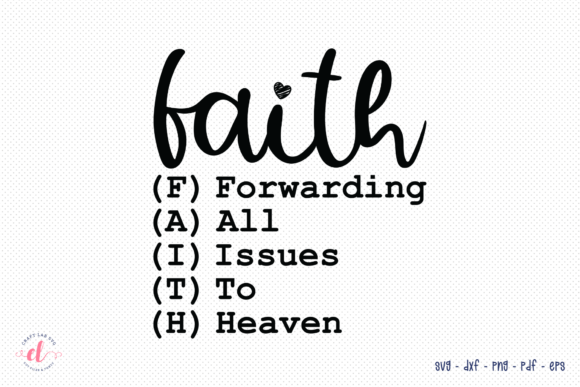
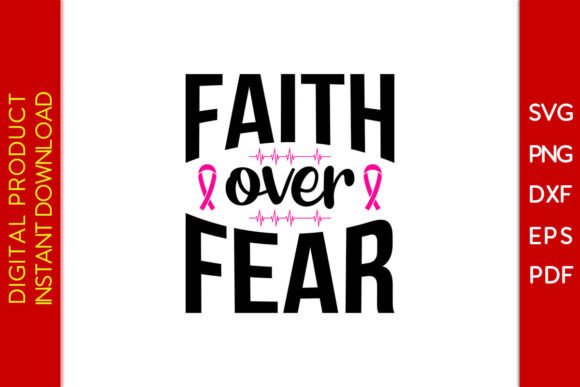
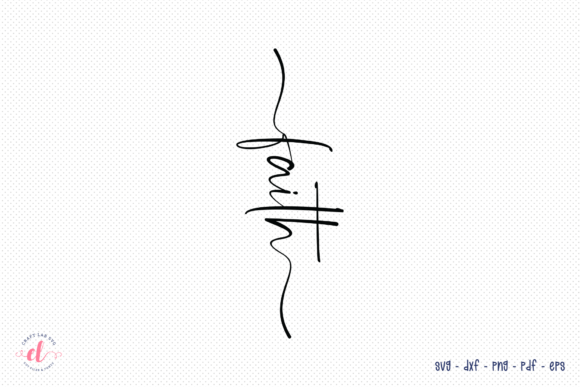
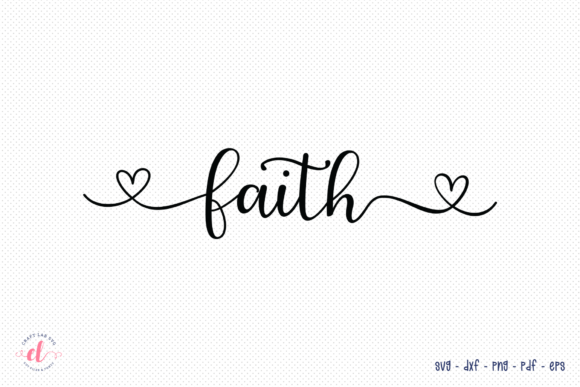
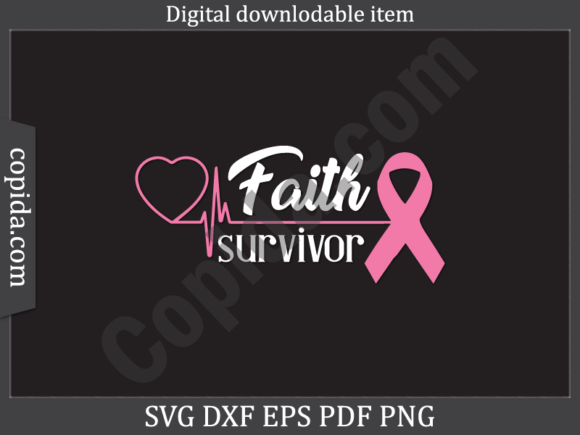
The first thing I noticed when unzipping the Faith Survivor Svg Printable Cut File was the clarity of the vector layout. It comes in SVG, DXF, EPS, PDF, and PNG formats, which is great for flexibility depending on your software or cutting machine. The design itself is bold yet elegant, with a central phrase “Faith Survivor” arranged in a clean, modern font. There’s minimal surrounding graphics, making it feel more like a statement than an overdesigned motif.
This simplicity gives the design a versatile mood. It works well as both a motivational message and a personal touch. The visual personality leans into empowerment and positivity, which is perfect for items like custom apparel, personalized gifts, or boutique branding. The shape is mostly straight-edged, with smooth curves where appropriate, so it doesn’t demand a complex layout. However, since exact stitch counts and hoop sizes aren’t provided, it’s important to test the design before finalizing any project.
Real-World Application: What Works Best?
When considering where to use the Faith Survivor Svg Printable Cut File, I immediately thought of tote bags and sweatshirts. These are common custom items for crafters and Etsy sellers, and the design’s size and style make it ideal for front-facing placement. The text is large enough to read easily, even after stitching, and the structure supports a solid satin stitch outline without being overly dense.
I also see potential in using it for embroidered patches. The file format allows for easy resizing and repositioning, which is essential when adapting a design for smaller surfaces. If you're working on a baby clothing line or creating holiday gifts like embroidered onesies or pillow covers, this design can add a meaningful touch. Just be sure to adjust the scale accordingly to match the garment’s proportions.
For sweatshirt embroidery, the design handles medium-density stitch areas quite well. I would recommend using a light stabilizer underneath to ensure crisp lines and prevent distortion from the fabric's stretch. The same goes for custom aprons or tea towels—especially if they’re part of a craft business or small shop product lineup. These are high-use items, and the design’s readability and durability matter more than ever.
Design Versatility Across Product Types
- Tote Bag Design: The design reads clearly on cotton or canvas, especially when placed near the top handle area. It adds a professional finish that customers notice and appreciate.
- Baby Clothes: With proper scaling, it can become a gentle yet powerful message on a onesie or sleeper. Just avoid very thin fabrics unless you reinforce them with backing.
- Cap or Hat Embroidery: While possible, curved surfaces may require some manual adjustments to maintain legibility and symmetry.
- Pillow Covers & Tea Towels: Great for home decor or kitchen items. The design brings a sense of purpose and style to everyday objects.
- Commercial Embroidery: As long as you confirm licensing, this could be a valuable asset for small shop owners or Etsy sellers looking to expand their brand offerings.
Where to Use It Carefully
Though the Faith Survivor Svg Printable Cut File is adaptable, there are a few situations where extra attention is needed. For instance, if you plan to use it on a small hoop (like under 4 inches), the details might get lost or distorted. The design isn’t particularly intricate, but the spacing between letters and elements still matters for clarity.
Also, consider the fabric texture. This design performs best on smooth, stable materials. On textured or stretchy fabrics like knits or denim, the stitches may pucker or look uneven. Always do a test run on scrap material to check how the stitch density interacts with the fabric grain and thickness.
If you're planning to embroider on dark fabric, thread color contrast becomes critical. While the design doesn't specify thread colors, I suggest choosing a white or cream-colored thread for maximum visibility. For lighter backgrounds, black or navy threads work beautifully and enhance the design’s impact.
Products that undergo frequent washing—like baby clothes or reusable grocery bags—will benefit from a strong stabilizer and durable thread. The design doesn’t have tiny lettering or delicate corners, which helps, but you still want to preserve the integrity of the embroidery through repeated use.
Practical Designer Notes
- Test First: Before committing to a client project or production batch, stitch the design on scrap fabric to assess its behavior.
- Check Thread Contrast: Especially if you're using it on dark fabric. A mockup in black and white can help you visualize how the embroidery will pop.
- Review Stitch Density: Make sure the satin and fill stitches don’t compress too tightly or leave gaps. Adjust as needed based on fabric type.
- Confirm Hoop Size: Since no specific recommendation is given, experiment with different hooping options to find the most suitable one.
- Inspect Small Details: Even though the design is straightforward, double-check alignment and spacing for a polished result.
- Use Proper Stabilizer: This is key for maintaining sharp edges and preventing puckering, especially on stretchy or unstable materials.
- Licensing Check: If you intend to sell finished products or offer the design as a digital download, make sure the licensing terms allow for commercial use.
Impact on Visual Appeal and Customer Engagement
One of the strongest aspects of the Faith Survivor Svg Printable Cut File is its ability to elevate the visual appeal of a handmade product. It adds a layer of professionalism and intentionality that many buyers associate with quality craftsmanship. When stitched cleanly and placed thoughtfully, it can significantly increase the perceived value of an item, whether it’s a personalized gift or a small shop product.
From a customer trust perspective, seeing a well-executed design like this can signal that you care about detail and presentation. In an Etsy listing, for example, including a preview image of the design on a tote bag or onesie can boost buyer engagement and conversions. It’s not just about the design itself—it’s about how it contributes to the overall aesthetic and story of your product.
For branding consistency, this design can serve as a signature element in your collection. If you're targeting a market that values spiritual or emotional messages, it fits right in. The clean lines and bold text make it recognizable at a glance, which is helpful for giftability and repeat purchases.
Professional Considerations for Commercial Projects
As someone who regularly reviews designs for commercial embroidery purposes, I pay close attention to how a design functions in a production setting. The Faith Survivor Svg Printable Cut File has a natural presence that can work well in small batches or even single-item customization. Its adaptability means you can tweak the layout for different placements—centered, side-aligned, or even split into two parts for a sleeve graphic or patch.
However, because it lacks detailed corner work or ornate flourishes, it may not stand out in highly competitive markets. That said, for businesses focused on heartfelt, minimalist messaging, it hits the mark perfectly. Pair it with other design assets to create a cohesive line of digital embroidery files that speak to your target audience.
Final Thoughts for Crafters and Entrepreneurs
In summary, the Faith Survivor Svg Printable Cut File is a reliable choice for a variety of crafts and graphics projects. It offers a balanced blend of readability and style, which is crucial for anything from a simple tote bag to a branded sweatshirt. But as with all digital embroidery files, context is everything.
Before jumping into a full project, take time to understand how the design behaves with your specific tools and materials. Whether you're an embroidery designer, a hobbyist, or a creative entrepreneur, investing a few minutes in testing and tweaking can save hours later—and improve the satisfaction of your end users.
Ultimately, this design serves as a reminder that sometimes less is more. It’s not flashy, but it speaks volumes. Used wisely, it can become a staple in your embroidery project portfolio and a trusted part of your design assets library.