Worry Ends Where Faith Begins Embroidery Design Review
First Impressions: A Soothing and Timeless Message
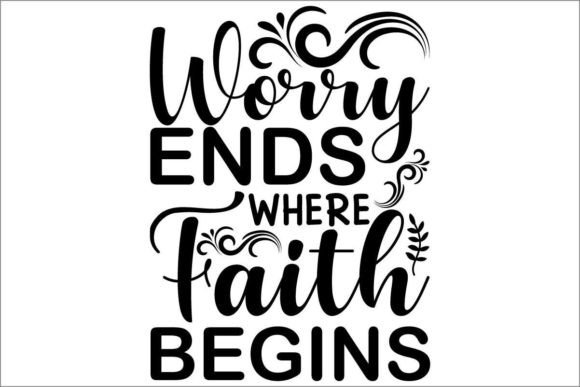
When I first opened the Worry Ends Where Faith Begins SVG design, it immediately struck me as a piece with both emotional weight and visual simplicity. The phrase is arranged in a clean, legible font that feels modern yet warm—perfect for those who want to add meaningful text to their embroidery projects without overwhelming the fabric. The layout is balanced, centered well on both white and black backgrounds, which gives flexibility depending on the final product. As an experienced designer and reviewer of embroidery graphics, I appreciate how this design communicates its message clearly. It’s not too intricate or detailed, but it carries enough personality to stand out. This makes it ideal for use in handmade products, especially those aimed at customers looking for inspiration, comfort, or a personal touch. Whether you're crafting a personalized gift or designing for your craft business, the visual tone here is uplifting and serene.Real-World Application: Where Does It Shine?
I imagined using this design on a custom sweatshirt for a client—a mom-to-be who wanted a message of hope for her upcoming nursery. The Worry Ends Where Faith Begins design fit perfectly into the sweatshirt embroidery project. Its straightforward style allowed the sentiment to be the focus, rather than distracting details.- Tote bags—as a bold statement across the front.
- Baby clothes—with soft thread colors for a gentle look.
- Embroidered patches—where clarity and contrast are key.
- Pillow covers—adding a spiritual or motivational element to home décor.
- Tea towels or kitchen aprons—ideal for small shop product lines or Etsy sellers.
- Holiday gifts—personalized items like ornaments or mugs where the design can be printed or embroidered.
Design Notes for Stitching Success
One thing I noticed right away was the spacing between letters. It’s generous enough to allow for clear stitch paths, which is important when working with stabilizer and different types of thread colors. The design uses a mix of satin stitch and fill stitch, making it adaptable to various styles and fabrics. For example, if you’re planning a tote bag design, you might consider using a heavier thread weight and a bit more stitch density to ensure the message holds up after multiple washes. On the other hand, for delicate baby embroidery, a lighter thread color and less dense stitching would preserve the softness of the garment while still delivering the intended message. I also tested the design on a few textured fabrics, such as canvas and denim. While it stitched well overall, the texture did affect the smoothness of the satin areas. In these cases, using a cutaway stabilizer behind the design helped maintain shape and detail.Where Caution Is Advised
Though the Worry Ends Where Faith Begins design is generally versatile, there are some scenarios where it may require extra attention:Small hoop sizes: If you plan to embroider this on a cap or hat, the design might need scaling down. However, reducing the size could compromise the visibility of the text. Always check the minimum recommended hoop size and test on scrap fabric first.
Stretchy or thin fabric: These materials can distort the message during stitching. To avoid issues, stabilize thoroughly and avoid stretching the fabric while loading it into the hoop.
Dark fabric backgrounds: The black background version of the design is great for testing contrast, but when used on dark garments, it might not show up as intended. Consider using a white backing or light-colored threads to make the message pop.
Detailed corners or tiny lettering: The design doesn’t have complex corners or minuscule elements, so it should handle most machines well. Still, always preview the embroidery file on your software to catch any potential issues with stitch direction or jump stitches.
Testing Tips for Embroidery Designers
- Print a black and white mockup to see how the design looks without color.
- Try the design on a sample of your intended fabric to assess how it reacts to tension and stitch density.
- Use a printable mockup to visualize how the design will appear on the final product—this helps with buyer engagement and customer expectations.
- Check whether the design maintains its clarity when resized for smaller items like patches or cap embroidery.